Recovery Games 13 brought together people from across the country to celebrate recovery through sport, connection and community. Among them was a team from Derbyshire’s recovery community, representing a range of local recovery organisations, projects and people with lived experience.
In this personal reflection, Ben Sofield shares his experience of the day, exploring the power of recovery communities, the importance of visibility and the many different ways people build meaningful lives in recovery. While Derbyshire may not have taken home a trophy, the event was a powerful reminder that recovery is about far more than winning. It is about connection, belonging, hope and celebrating recovery out loud.
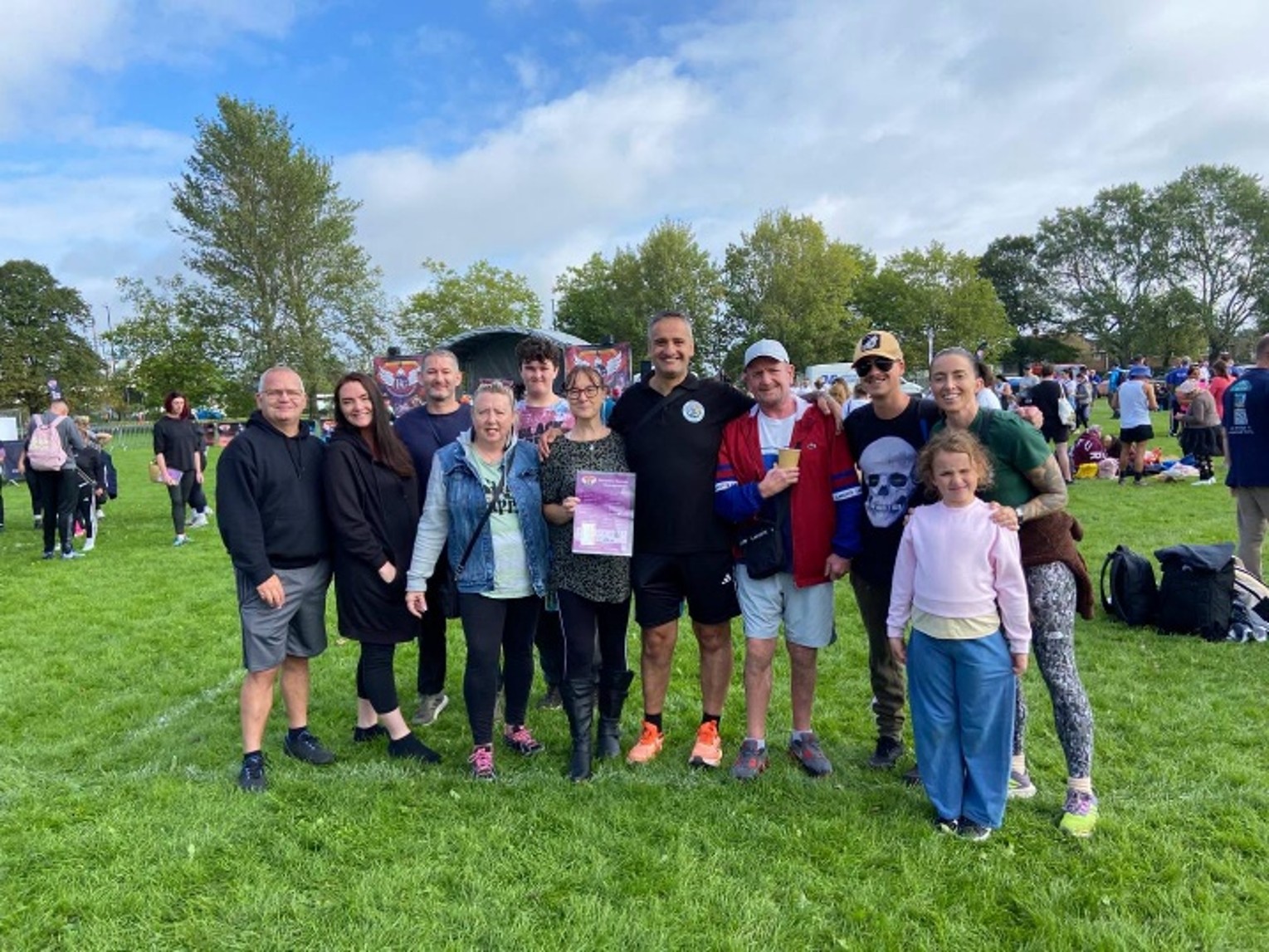
On Sunday 13 September, a rag-tag little group from across Derbyshire headed to Sandall Park in Doncaster for Recovery Games 13.
Recovery Games, founded and led by Neil Firbank, has been running for 13 years now, bringing people together from across the country to celebrate recovery through sport, teamwork, daftness, courage and community.
This year was especially significant because it was their first year doing it independently as Recovery Games CIC, which is no small thing. Anyone who has ever tried to organise a community event knows it takes roughly 40% planning, 40% blind faith, 10% spreadsheets, and 10% muttering “why have I done this to myself?” but they did it and it was an amazing day.
Derbyshire turned up as part of the GRID network under a team name we dubbed The Collective. The team included me, Ben Sofield, from Rhubarb Farm and The Third Space; Claire Clarke and family from Phoenix Futures and the Lived Experience Career Pathway; Mark Pickering from Recover Together; Steph Kelsey from Kelsey Family; Paul Mahmood from Pathways; community members from across Derbyshire; and a general feeling of “we may not know what we’re doing, but we’re doing it with enthusiasm.”

Recovery Games is not just about winning. Which is good, because we didn’t.
We laughed, joined in, met people, cheered each other on, got mildly competitive in the way only recovery workers and community members can (friendly, but also ready to take down another region in a novelty challenge if required.)
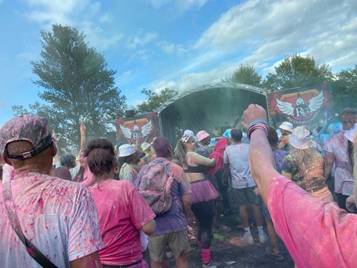
There were loads of events, loads of colour, loads of families, music, noise, movement, connection, and people proudly living recovery out loud. Recovery Games kicked the idea that recovery should be hidden away into the long grass.
My personal highlight was Ultrabeat on the main stage. I am not afraid to admit I cried (several times). Years ago, when I gave up substances, I thought certain doors had closed forever. Raves, festivals, big music moments, the feeling of being in a crowd and completely losing yourself, I thought all that belonged to the old version of me, turns out I was wrong. A sober rave is better.
It was a surreal moment – looking around a field full of people who Stigma tells us should not make it, do not recover, dancing away and proving everyone wrong.
The whole day showed what LEROs make possible. Whether your idea is a recovery festival, a peer-led group, a community farm, a sober rave, a football team, a choir, a research project, or dressing up as Darth Vader and launching yourself down an inflatable slide in the name of hope there is space for it and there should be space for it.
Recovery is not one thing. It is not one model, or one meeting, one service, one doorway, one route, one approved flavour of hope. Recovery is community and choice. It is people finding their way back to life in ways that feel like life.
So no, Derbyshire didn’t win Recovery Games 13, but we showed up, had fun and next time, we build a stronger Derbyshire team. I would love to see you there. 14 is our lucky number.